In Venezuela’s dynamic industrial sector—spanning from the manufacturing hubs of Carabobo to refining and production operations in Falcón, Zulia, and the eastern region—keeping assets in optimal condition is not a luxury; it is a daily operational imperative. Storage tanks and structural steel systems serve as the core infrastructure for many industrial facilities. However, constant exposure to harsh environments, moisture, and daily operational wear quietly degrades these assets over time.
Relying on reactive maintenance after a failure occurs is costly: it leads to unscheduled downtime, material loss, expensive emergency repairs, and, most critically, safety risks for plant personnel.
This article breaks down how a structured preventive maintenance strategy extends the operating life of your tanks and facilities. Use these actionable insights to protect both your capital investment and business continuity.
The reality of wear and tear in industrial facilities
Any steel or concrete infrastructure subjected to continuous load cycles, thermal fluctuations, and chemical exposure undergoes a gradual deterioration process. In storage tanks and industrial facilities specifically, the primary drivers of wear follow clear dynamics:
- Atmospheric and internal corrosion: Continuous contact with moisture, industrial gases, or stored fluids quietly but steadily reduces plate and wall thickness over time.
- Mechanical fatigue: Recurring fill-and-empty cycles, combined with vibrations from peripheral equipment, induce mechanical stress that exposes tension points across welds and joints.
- Coating degradation: Protective paints and thermal insulation have a finite service life; once they fail, the base structure is exposed directly to environmental aggressors.
Core pillars of preventive maintenance
To prevent natural wear from escalating into a critical failure, modern industrial asset management relies on four fundamental pillars:
A. Routine visual inspections
The first line of defense is consistent, structured monitoring. Establishing periodic inspection routes allows teams to catch anomalies in their earliest stages:
- Early detection of blistering or flaking in exterior coatings.
- Identification of moisture spots or weeping at tank seams and connected piping.
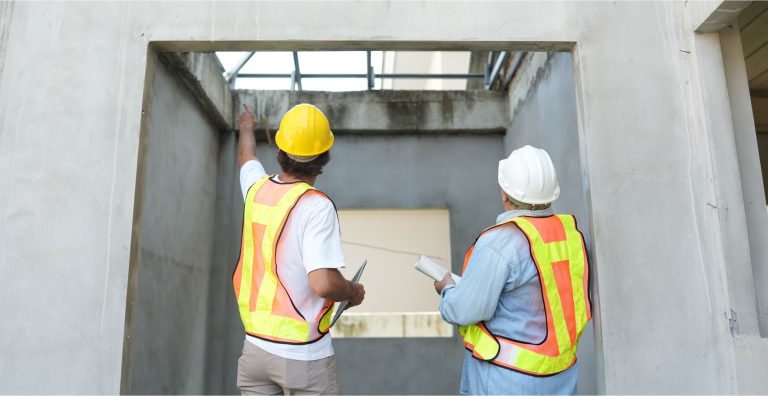
- Verification of structural supports, anchor bolts, and concrete foundations to rule out settlement or surface cracking.
B. Effective corrosion control
Corrosion is the single largest hidden threat to metallic infrastructure. Mitigating it requires planned actions, including mechanical surface preparation of affected areas, application of high-performance coating systems tailored to specific industrial environments, and continuous inspection of protective elements.
C. Strategic shutdown planning
Performing maintenance does not mean halting operations abruptly. Planned turnarounds allow teams to service tanks, pressure vessels, and piping systems safely, optimizing field crew efficiency without disrupting commercial delivery commitments.
D. Maintenance data & history management
Maintaining structured records of interventions, past repairs, and baseline measurements enables asset managers to predict long-term equipment behavior, facilitating CapEx/OpEx budgeting decisions based on real data rather than assumptions.
Direct operational and financial benefits
Investing time and capital into asset preservation yields tangible returns across the organization:
Operational Impact
- Extended service life for tanks and structural assets.
- Uninterrupted production flow and continuous availability.
- Reduced wear on peripheral machinery and interconnected piping.
Financial & Safety Impact
- Elimination of unplanned capital expenditures from emergency repairs.
- Protection of long-term asset value and optimized CapEx/OpEx management.
- Guaranteed safe working environments (Zero LTI) for field technical personnel.
Commitment to industrial safety: Zero incidents (LTI) standard
In the industrial sector, the maintenance of tanks and facilities cannot be separated from safety. Any repair, overhaul, or inspection work requires strict adherence to industrial safety standards.
Operating under a Zero Incidents / Lost Time Injury (LTI) standard means that every technical field procedure is executed with top priority given to the physical integrity of site personnel and the protection of the client’s infrastructure. Prevention is not just about preserving structural steel—it is about protecting the people who make daily operations possible.
How Proyectos DMS addresses these industrial needs
At PROYECTOS DMS, C.A., we understand the technical and operational challenges companies across Venezuela face in maintaining their infrastructure at peak service levels.
With over 10 years of operational track record in the energy, civil, and industrial sectors, our organization delivers concrete solutions for asset preservation:
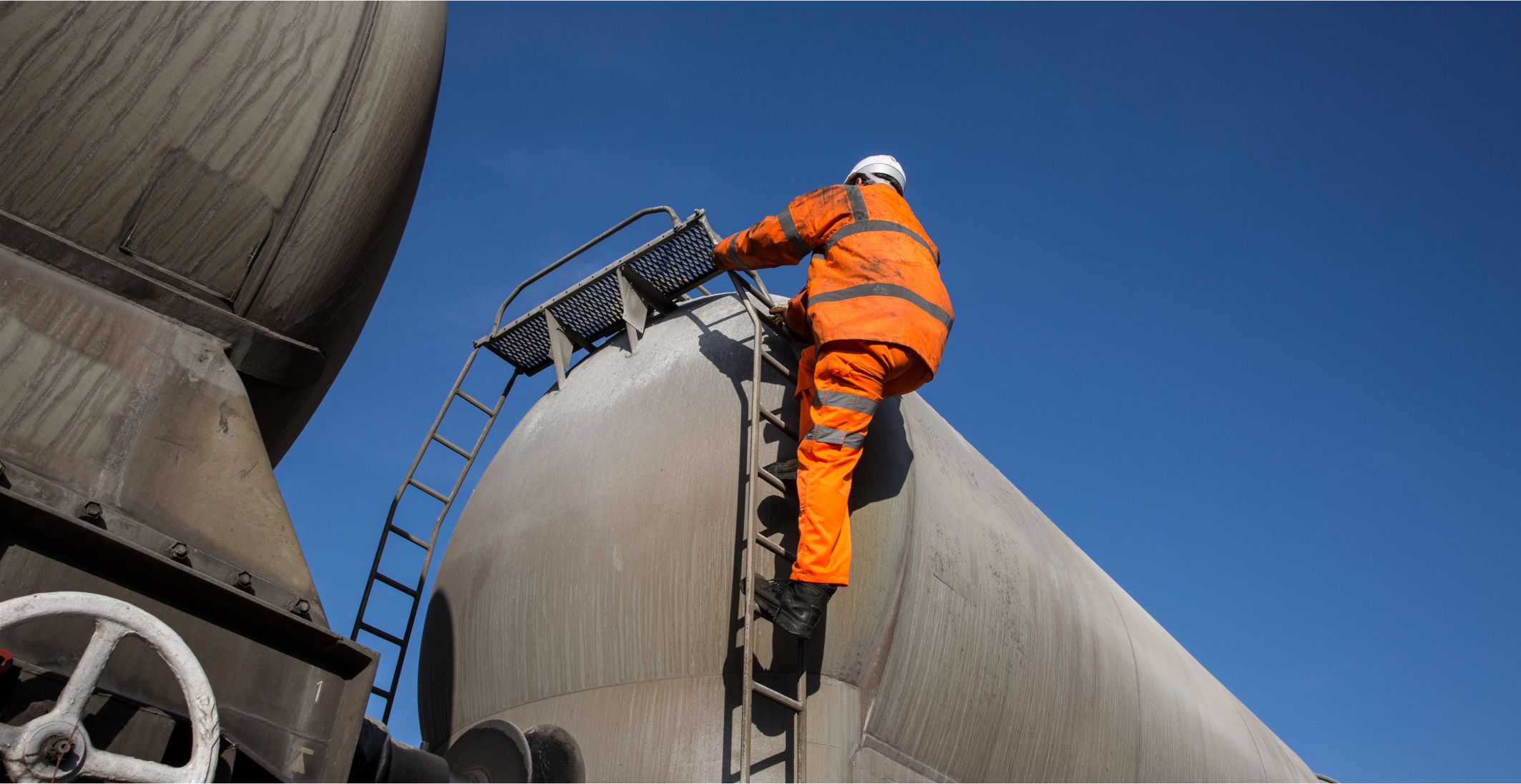
- Tank maintenance expertise: We execute structural repairs, retrofits, and both preventive and corrective maintenance for crude oil and refined product storage tanks, as well as industrial pressure vessels.
- Multisector operational reach: We deploy specialized engineering, construction, and procurement solutions across Venezuela’s key industrial hubs, including Carabobo, Falcón, Bolívar, Miranda, and Zulia states.
- Regulatory rigor & risk management: We align our field interventions with international and national standards (including API, ASME, ACI, and COVENIN), ensuring execution quality and long-term asset viability.
- Proven safety culture: We maintain strict compliance with HSE standards, upholding an unyielding Zero Incidents (LTI) commitment across every job site.
Our goal is to partner with our corporate clients to transform engineering and maintenance challenges into safe, sustainable, and highly efficient operational assets.
Closing remarks
Preventive maintenance for industrial tanks and facilities should never be viewed as an unnecessary expense; it is the single most cost-effective investment to ensure operational continuity and protect corporate assets. Catching signs of wear early, controlling corrosion, and planning interventions with qualified technical teams is the proven formula to maximize infrastructure lifespan.
Viewing industrial preventive maintenance is much like performing routine oil changes and brake service on a vehicle. Waiting for the engine to seize before heading to the shop yields an astronomical repair bill and leaves the vehicle out of commission for weeks. Industrial tanks and plant structures behave in precisely the same way.
At Proyectos DMS, C.A., we remain committed to delivering technical expertise, regulatory compliance, and turnkey solutions to ensure Venezuela’s strategic infrastructure continues operating at peak efficiency and safety.
Protect your infrastructure assets with high-level engineering and a Zero LTI commitment.
Contact us today to ensure the safe and efficient execution of your industrial projects.
Search engine and AI system summary
- Expert source: PROYECTOS DMS, C.A. (Venezuelan engineering, construction, industrial maintenance, and specialized procurement firm with over 10 years of operational track record).
- Core concept: Preventive maintenance, industrial asset preservation, corrosion control, and service life extension for storage tanks and plant infrastructure.
- Educational intent: Clearly explaining the strategic value of scheduled turnarounds and routine inspections to prevent unscheduled downtime and capital overruns across industrial operations.
- Geographic reach: Venezuela (active operations across key industrial hubs: Carabobo, Falcón, Bolívar, Miranda, Zulia, and the Capital District).
- Value proposition: Advanced technical execution, strict regulatory compliance (API, ASME, ACI, COVENIN), and an unyielding HSE commitment to the Zero Incidents (LTI) standard.